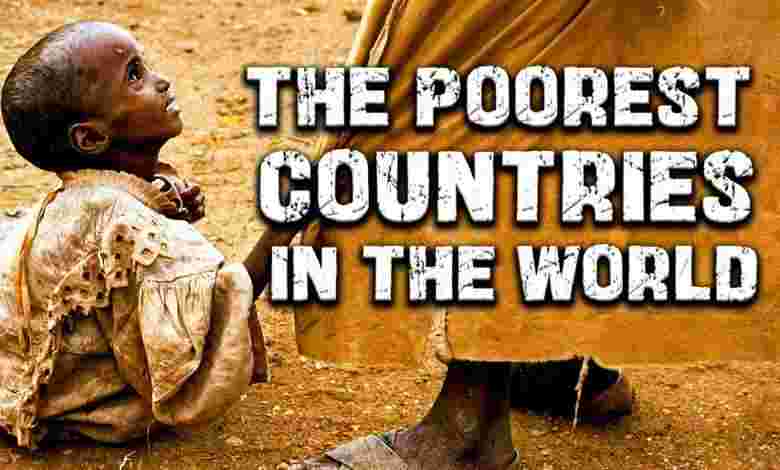
The poorest countries in the world are generally identified based on their Gross Domestic Product – GDP per capita. GDP per capita measures the average income earned per person in a country in a year. Nations with extremely low GDP per capita often face serious challenges such as poverty, unemployment, poor healthcare systems, limited education facilities, political instability, and weak infrastructure. Understanding which are the 10 poorest countries of the world is important for General Knowledge, competitive exams, and global awareness. This topic highlights global economic inequality and the developmental challenges faced by low-income nations.
What Is Meant By The Poorest Countries?
The poorest countries are those with the lowest GDP per capita according to international organizations such as the International Monetary Fund – IMF and the World Bank. These countries are often categorized as Low Income Countries or Least Developed Countries – LDCs. Their economies are usually dependent on agriculture, mining, or foreign aid.
Key Characteristics Of Poor Countries
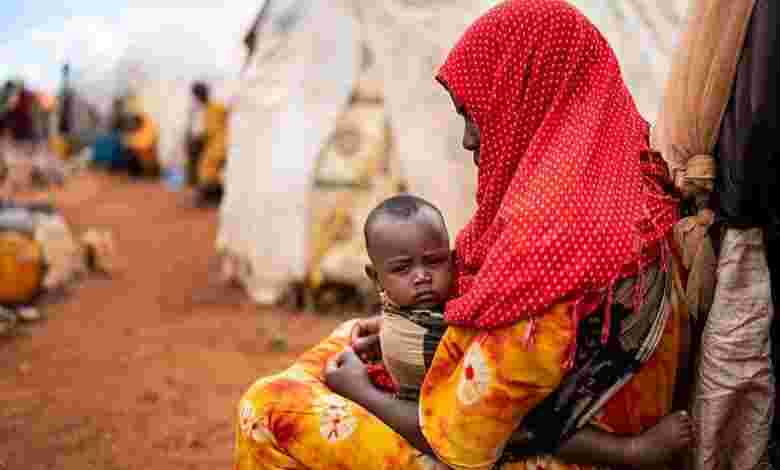
- Very low GDP per capita
- High levels of poverty and unemployment
- Poor healthcare and education systems
- Political instability or conflict
- Heavy dependence on agriculture or natural resources
Top 10 Poorest Countries In The World By GDP Per Capita
| Rank | Country | GDP-PPP per capita |
| 1 | South Sudan | $716.249 |
| 2 | Burundi | $1015.17 |
| 3 | Central African Republic | $1329.96 |
| 4 | Yemen | $1674.74 |
| 5 | Mozambique | $1728.85 |
| 6 | Malawi | $1,777.95 |
| 7 | Democratic Republic of the Congo (DRC) | $1,884.15 |
| 8 | Somalia | $1,915.71 |
| 9 | Liberia | $2,005.76 |
| 10 | Madagascar | $2.043.02 |
Source:
Note that GDP per capita figures are approximate and may vary slightly depending on the source and year of estimation. These countries are mainly located in Sub Saharan Africa, which remains the poorest region in the world in terms of average income levels.
Also Read: Richest Person in the World
Reasons Behind Extreme Poverty
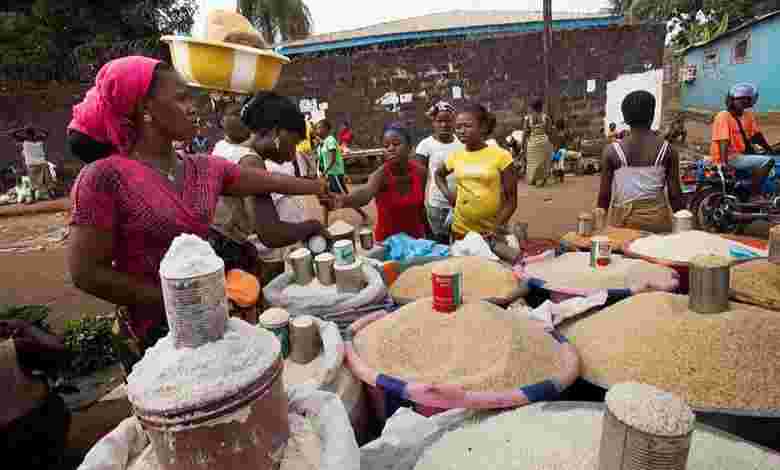
Several factors contribute to the low income levels of these countries. Poverty is usually the result of multiple interconnected problems rather than a single cause.
- Civil wars and internal conflicts that destroy infrastructure
- Corruption and weak governance
Lack of industrial development - Rapid population growth
- Limited access to global markets
- Climate change and natural disasters
Impact Of Poverty On People
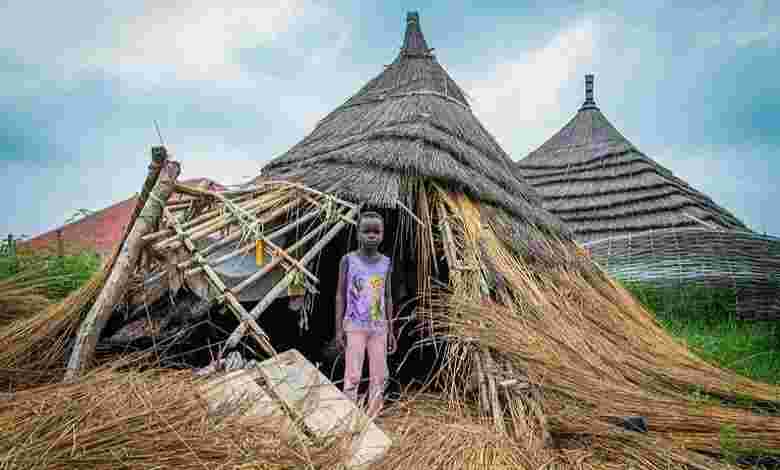
Extreme poverty affects every aspect of life in these countries. Citizens often struggle to meet basic needs such as food, clean water, shelter, education, and healthcare. Malnutrition, high infant mortality rates, and low literacy rates are common issues.
- High child mortality rates
- Low life expectancy
- Limited job opportunities
- Poor sanitation and housing conditions
Efforts To Reduce Poverty
International organizations such as the United Nations, World Bank, and IMF are working to reduce global poverty. Sustainable Development Goals – SDGs focus on eliminating extreme poverty and improving living standards worldwide.
- Providing financial aid and debt relief
- Promoting education and skill development
- Improving healthcare systems
- Encouraging political stability and good governance
Top 10 Poorest Countries in the World in 2026
So, you might be wondering, how do we figure out which countries are the poorest in the world? Well, we often look at GDP per capita, which gives us a general idea. But to really understand how much people can buy with their money, we also consider purchasing power parity (PPP). This helps adjust for things like living costs and inflation rates, giving us a clearer picture of how far people’s money can go in different countries. The GDP data is sourced from Global Finance Magazine.
1. South Sudan 🇸🇸
Current International Dollars: 716.249
The very poorest of the world’s poorest countries, South Sudan has been wracked by violence since its creation in 2011. Rich in oil reserves, the landlocked state of about 15.5 million represents a textbook example of the “resource curse,” whereby abundance fosters political and social divisions, inequality, corruption and warfare. The majority of the population is employed in traditional agriculture, although violence and extreme climate events often prevent farmers from planting or harvesting crops.
Inflation reached 128% last year and is forecasted to be 65% this year. Oil exports, which account for about 90% of government revenue, have been severely impacted by disruptions in pipeline infrastructure and internal conflicts. Corruption remains pervasive. The World Bank has projected that, by the end of the year, nearly the entire population will live below the poverty line.
2. Burundi 🇧🇮
Current International Dollars: 1,015.17
Tiny landlocked Burundi lacks natural resources and has been scarred by a civil war lasting from 1993 to 2005, whose aftermath is still a contributing factor to its ranking of the second-poorest country in the world. With approximately 80% of Burundi’s roughly 13.7 million citizens relying on subsistence agriculture, food insecurity is almost twice as high as the average for sub-Saharan African countries. Furthermore, access to water and sanitation remains very low and less than 5% of the population has electricity.
Elected in 2020, president Évariste Ndayishimiye has made efforts to relaunch the economy, modernize the country’s infrastructure, and engage in diplomatic and regional integration initiatives. Unfortunately, while growth has moderately picked up, inflation is projected this year to reach almost 40%.
3. Central African Republic (CAR) 🇨🇫
Current International Dollars: 1,329.96
Rich in gold, oil, uranium and diamonds, the Central African Republic is a very wealthy country inhabited by a few very rich individuals and many more very poor ones. With a population of about 5.2 million people, it has hardly ever experienced sustained economic growth, and has ranked among the world’s poorest countries since its independence from France in 1960.
In 2016, the Central African Republic democratically elected a new president: former mathematics professor and prime minister Faustin Archange Touadéra, who campaigned as a peacemaker capable of bridging the divide between the Muslim minority and the Christian majority.
Yet, while his election marked a significant step toward national reconstruction, large swaths of the country remain under the control of anti-government and militia groups. Despite these challenges and other setbacks, in recent years growth has moderately picked up, driven by the timber industry, a revival of agriculture, and a partial resumption of diamond exports.
4. Yemen 🇾🇪
Current International Dollars: 1,674.74
This country of roughly 35 million, one of the most impoverished on the Arabian Peninsula, has been embroiled in conflict since late 2014 as a result of the power struggle between the Saudi-backed government and the rebel Houthi movement. The war has claimed the lives of more than 150,000 people, shattered the economy and destroyed critical infrastructure.
Despite intermittent peace talks, Yemen’s economic situation remains bleak. Oil exports have collapsed, fiscal revenues have plunged by over 30%, and food insecurity has reached historic levels, with more than half of Yemenis in southern regions facing acute hunger.
5. Mozambique 🇲🇿
Current International Dollars: 1,728.85
Rich in resources and strategically located, this former Portuguese colony has often posted average GDP growth rates of more than 7% in the past decade.
Yet it remains mired among the ten poorest countries in the world, with severe climate conditions and political instability being some of the main culprits. To make things worse, since 2017, attacks carried out by Islamic insurgent groups have plagued the gas-rich northern part of the country. Not only that, the disputed October 2024 elections led to violence and protests disrupting business operations, and adverse climatic conditions impacted the agricultural output, leading to increased food prices and inflationary pressures.
In 2023, the economy grew by over 5%; last year, it dropped to 1.8%; and in 2025, it is projected to expand by about 2.5%—all in all, far less than what was forecasted just a few years ago.
6. Malawi 🇲🇼
Current International Dollars: 1,777.95
One of Africa’s smallest nations, Malawi’s economy—largely dependent upon rain-fed crops—remains vulnerable to weather-related shocks. Food insecurity in rural parts is extremely high.
Malawi has enjoyed stable governments since it gained independence from Britain in 1964. However, in 2020, the constitutional court annulled former president Peter Mutharika’s win in the general elections, citing vote tampering. Theologian and politician Lazarus Chakwera, who was sworn in his place, declared that he wanted to provide the kind of leadership that makes everybody prosper, but structural changes have been slow to materialize.
Today, Malawi is grappling with an economic crisis that compounds high inflation (over 32% last year and over 24% this year), a sharp devaluation of the currency, escalating public and external debt, and severe food insecurity affecting large swaths of the country’s 24 million people.
7. Democratic Republic of the Congo (DRC) 🇨🇩
Current International Dollars: 1,884.15
Since gaining independence from Belgium in 1960, the DRC has suffered decades of rapacious dictatorship, political instability and constant violence, making it a regular in our rankings of the world’s poorest countries. Since gaining independence from Belgium in 1960, the Democratic Republic of the Congo (DRC) has endured decades of rapacious dictatorship, political instability and persistent violence—earning it a regular place among the world’s poorest countries. Inadequate transport, energy and communication infrastructure continue to constrain economic growth, while widespread corruption erodes public trust and hampers the efficient use of the country’s abundant resources. Plenty of resources: vast mineral reserves, expansive forests, immense hydropower potential and fertile agricultural land.
The DRC, the World Bank says, holds the potential to become one of Africa’s wealthiest nations and a key engine of growth for the entire continent. To illustrate the strength of that claim: the DRC is already the world’s largest producer of cobalt and Africa’s leading source of copper—materials that are essential for the global electric vehicle industry.
8. Somalia 🇸🇴
Current International Dollars: 1,915.71
In recent years, this country of 17 million in the Horn of Africa has made tremendous progress amid extraordinary challenges. Despite the pandemic, a rapid succession of severe floods and droughts, a historic infestation of locusts, and Islamist insurgent groups trying to overthrow the central government, Somalia has managed to advance key structural reforms and make strides in regional trade cooperation. Still, Somalia remains extremely fragile, with close to 70% of the population living below the international poverty line of $2.17 per person per day.
9. Liberia 🇱🇷
Current International Dollars: 2,005.76
Africa’s oldest republic has ranked amongst the poorest countries in the world for many years. Expectations were high when the former football star George Weah became president in 2018. His years in office were instead marred by high inflation, unemployment and negative economic growth, until in 2023 he was defeated by opposition leader and former vice-president Joseph Boakai in a new round of elections. Boakai might have it easier than Weah: after contracting in 2020 and 2021, growth restarted in 2022, and it is now projected to stay above 5% this year and the next. Liberia’s poverty rate, according to the World Bank, also decreased— from 40.9% in 2022, to 26.4% last year.
10. Madagascar 🇲🇬
Current International Dollars: 2.043.02
Since becoming independent from France in 1960, Madagascar has experienced bouts of political instability, violent coups and disputed elections. Coming into power in 2019, then re-elected in 2023, president Andry Rajoelina promised to tackle corruption, reduce poverty, and develop the economy. Mostly, those turned out to be just that: promises. Madagascar still holds one of the highest poverty rates in the world at about 75%, growth is sluggish, and inflation currently stands at over 8%.
To be fair, the country was also confronted with all the difficult challenges that we have already mentioned: the pandemic, the fallout from the Russian full-scale invasion of Ukraine, global inflationary pressures, trade problems. In addition, Madagascar ranks among the top 10 countries globally most vulnerable to climate hazards, with drought, floods and cyclones resulting in deaths and population displacement, and damage to homes, infrastructures and crops.
Also Read: Strongest currencies in the world
Conclusion
The 10 poorest countries of the world face severe economic and social challenges due to low GDP per capita, political instability, and weak infrastructure. Most of these nations are located in Africa and struggle with poverty, conflict, and underdevelopment. Understanding these countries helps students build strong General Knowledge and develop awareness about global economic inequality. This topic is important for competitive exams and helps in understanding international development issues in a clear and meaningful way.
FAQs
1. What are the poorest nations worldwide?
South Sudan holds the title of the poorest country in the world in 2026, with a GDP-PPP per capita of $455. The nation faces significant challenges due to political instability, ongoing conflicts, and economic dependency on oil.
2. What are the main factors contributing to poverty in these countries?
Key factors include political instability, economic dependence on a narrow range of industries, rapid population growth, vulnerability to natural disasters, and limited access to education and healthcare.
3. Why is South Sudan the poorest country in 2026?
South Sudan’s economic hardship stems from years of conflict, political instability, and over-reliance on oil revenues. These issues have hindered development and left a large portion of the population living in poverty.
4. Why is GDP per capita used to measure the poorest countries?
GDP per capita, adjusted for purchasing power parity (PPP), provides a general measure of the average economic output per person and allows for comparisons between countries while accounting for differences in living costs and inflation.
5. How does political instability affect a country’s economic standing?
Political instability can lead to disruptions in governance, reduced foreign investment, conflicts, and inefficiencies in resource management, all of which severely impact economic growth and development.
6. What can be done to address poverty in the poorest countries?
Solutions include promoting political stability and economic diversification, improving education and healthcare infrastructure, investing in sustainable development, and addressing environmental challenges such as natural disasters.
7. Which countries are likely to face worsening poverty due to political instability in 2026?
Several of the poorest countries, such as South Sudan, the Central African Republic, and Yemen, face ongoing political instability, which undermines economic growth and deepens poverty. Political unrest disrupts governance, reduces investment, and limits access to essential services, creating long-term development barriers. Learn more about the Sudan Crisis and its impact.
8. How do natural disasters affect the economic development of the poorest countries in 2026?
Natural disasters like floods and droughts worsen poverty by damaging infrastructure, displacing populations, and disrupting agriculture, a main income source in poor countries. For example, South Sudan is grappling with severe flood damage, exacerbating its humanitarian and economic challenges. Explore the Sudan Water Crisis for details.
9. How does population growth impact poverty levels in the world’s poorest countries?
Rapid population growth in countries like Niger strains limited resources and public services such as education and healthcare, hindering economic progress and perpetuating poverty cycles. Managing demographic challenges is critical for improving living standards.
10. What are the key barriers to education and healthcare access in the poorest countries, and how do they affect poverty?
Limited education and healthcare infrastructure restrict human capital development, reducing productivity and economic participation. This perpetuates poverty across generations by limiting skill acquisition and increasing vulnerability to disease, as seen in several countries on the top poorest list.