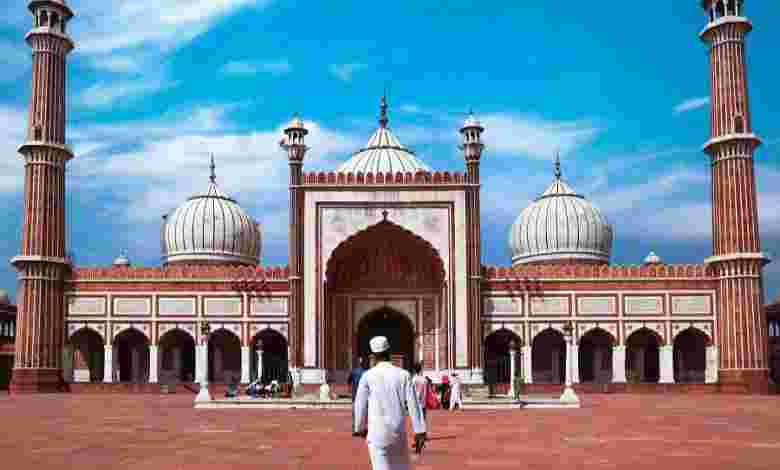
Popular Mosques in India: India boasts a rich tapestry of mosques, each offering a unique blend of architectural splendour and spiritual sanctity. From the iconic Jama Masjid in Delhi to the historic Taj-ul-Masajid in Bhopal, these mosques in India showcase the country’s diverse Islamic heritage.
Whether marvelling at the intricate designs of Fatehpuri Masjid or seeking solace in the tranquil ambience of Hazratbal Mosque, India’s mosques offer a captivating journey through history and faith.
10 Popular Mosques to Visit in India
Discover India’s 10 largest mosques in India, each a testament to ancient architectural marvels and spiritual sanctity here are 10 mosques in India:
1. Ziarat Shareef | Kakrala, Uttar Pradesh
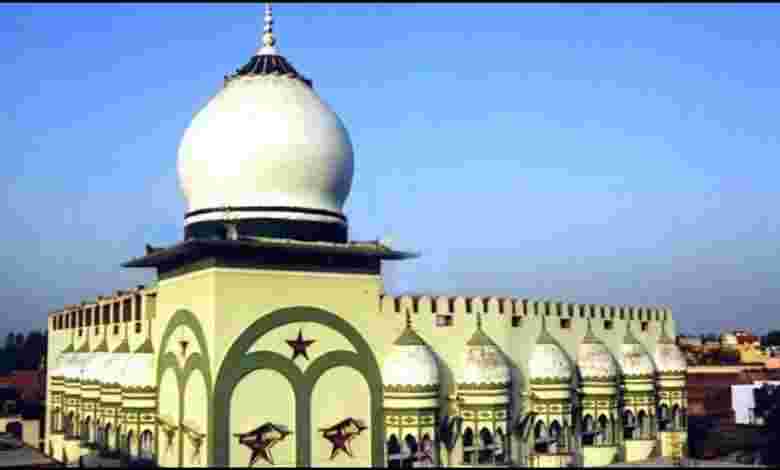
Nestled in the heart of Uttar Pradesh, Ziarat Shareef exudes tranquillity and spirituality. Its serene ambience and architectural splendour make it a must-visit destination for seekers of divine solace.
- Best Time to Visit: Throughout the year.
- Mosque Timings: Opens Daily for 24 hours.
- Entry Fee: Free.
- How to Reach: Kakrala is accessible via roadways from major cities like Lucknow and Kanpur.
- Nearest Railway Station: Kakrala Railway Station.
- Nearby Bus Station: Kakrala Bus Stand.
- Nearest Airport: Lal Bahadur Shastri Airport, Varanasi.
- Nearby Places: Shahjahanpur Fort, Chakratirth Temple, Ramnagar Fort.
Know more about:
2. Toli Masjid | Hyderabad, Telangana
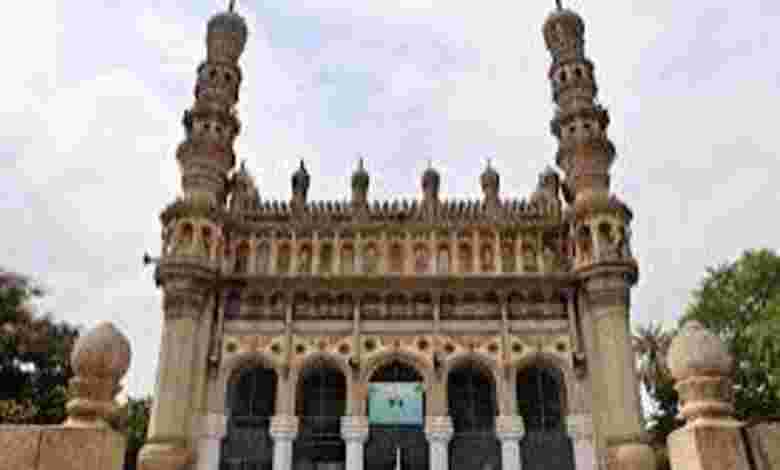
Standing as a testament to Hyderabad’s rich cultural heritage, Toli Masjid enthrals visitors with its majestic architecture and serene atmosphere, offering a glimpse into the city’s glorious past.
- Best Time to Visit: October to March.
- Mosque Timings: Opens daily from 10:00 AM to 8:00 PM.
- Entry Fee: Free.
- How to Reach: Located in Hyderabad’s old city, accessible via MG Road.
- Nearest Railway Station: Hyderabad Deccan Railway Station.
- Nearby Bus Station: Charminar Bus Station.
- Nearest Airport: Rajiv Gandhi International Airport.
- Nearby Places: Charminar, Chowmahalla Palace, Mecca Masjid.
3. Teele Wali Masjid | Lucknow, Uttar Pradesh

Teele Wali Masjid, nestled amidst the bustling streets of Lucknow, beckons with its elegant architecture and spiritual aura. A symbol of religious harmony, it invites visitors to experience peace and reflection.
- Best Time to Visit: October to February.
- Mosque Timings: Opens daily from 4:30 AM to 9:30 PM.
- Entry Fee: Free.
- How to Reach: Situated in the Chowk area, easily accessible via Lucknow Metro or local buses.
- Nearest Railway Station: Lucknow Charbagh Railway Station.
- Nearby Bus Station: Kaiserbagh Bus Station.
- Nearest Airport: Chaudhary Charan Singh International Airport.
- Nearby Places: Bara Imambara, Rumi Darwaza, British Residency.
4. Sidi Saiyyed Mosque | Ahmedabad, Gujarat
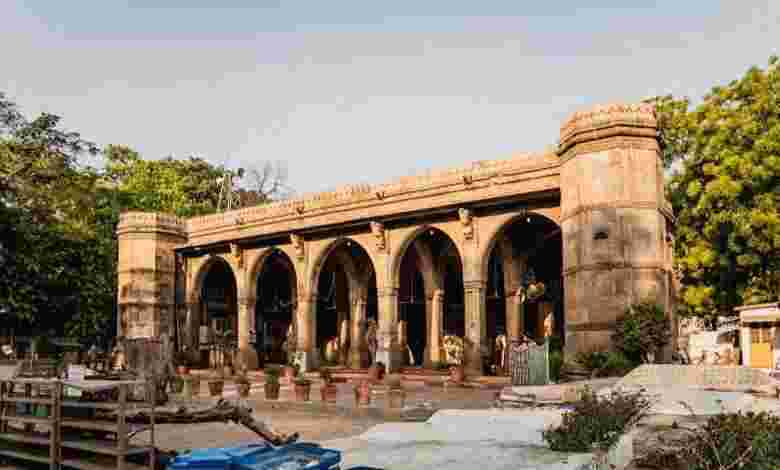
Sidi Saiyyed Mosque, nestled in the heart of Ahmedabad, captivates with its exquisite lattice work and timeless charm. A treasure trove of architectural marvels, it stands as a testament to Gujarat’s rich heritage.
- Best Time to Visit: October to March.
- Mosque Timings: Opens daily for 24 hours.
- Entry Fee: Free
- How to Reach: Located in the heart of Ahmedabad, accessible via SG Highway.
- Nearest Railway Station: Ahmedabad Railway Station.
- Nearby Bus Station: Lal Darwaja Bus Station.
- Nearest Airport: Sardar Vallabhbhai Patel International Airport
- Nearby Places: Sabarmati Ashram, Kankaria Lake, Adalaj Stepwell.
Learn more about:
5. Masjid-e-Moazzam | Surat, Gujarat
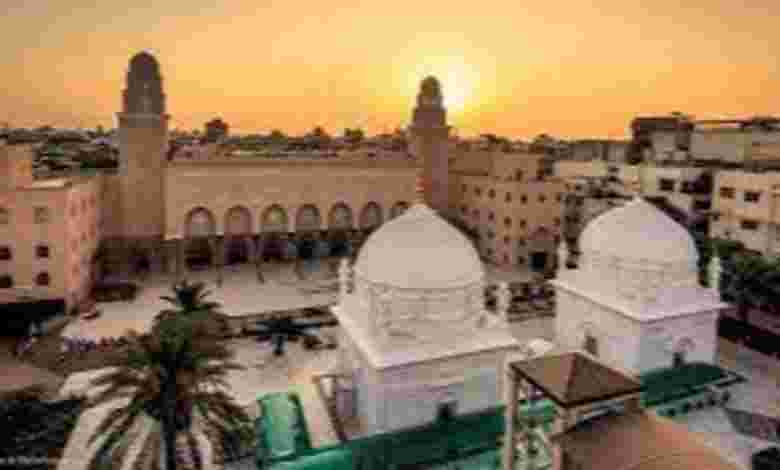
Masjid-e-Moazzam, nestled in Surat’s bustling streets, is a sanctuary of peace and serenity. Its intricate design and spiritual ambience offer visitors a sacred space for contemplation and reflection.
- Best Time to Visit: October to March.
- Mosque Timings: Opens daily from 5:00 AM to 9:00 PM.
- Entry Fee: Free.
- How to Reach: Located near Chowk Bazaar, accessible via MG Road.
- Nearest Railway Station: Surat Railway Station.
- Nearby Bus Station: Surat Bus Station.
- Nearest Airport: Surat Airport.
- Nearby Places: Dumas Beach, Surat Castle, Sardar Patel Museum.
6. Jama Masjid | Jaunpur, Uttar Pradesh
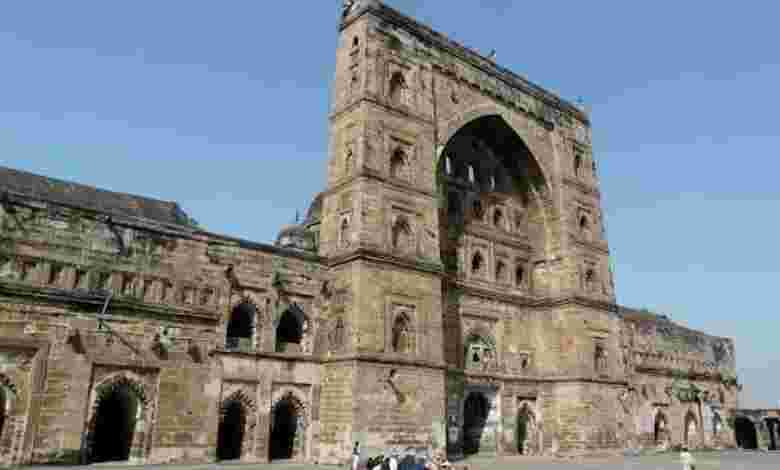
Jama Masjid, nestled in the heart of Jaunpur, captivates with its grandeur and architectural splendour. A symbol of the city’s rich history, it invites visitors to delve into the region’s cultural tapestry.
- Best Time to Visit: Throughout the year.
- Mosque Timings: Opens daily from 5:00 AM to 8:00 PM.
- Entry Fee: Free.
- How to Reach: Situated in the centre of Jaunpur, accessible via NH31.
- Nearest Railway Station: Jaunpur Junction.
- Nearby Bus Station: Jaunpur Bus Station.
- Nearest Airport: Lal Bahadur Shastri Airport (Varanasi).
- Nearby Places: Shahi Bridge, Lal Darwaza Masjid, Shahi Qila.
Learn more about:
7. Haji Ali Dargah | Mumbai, Maharashtra
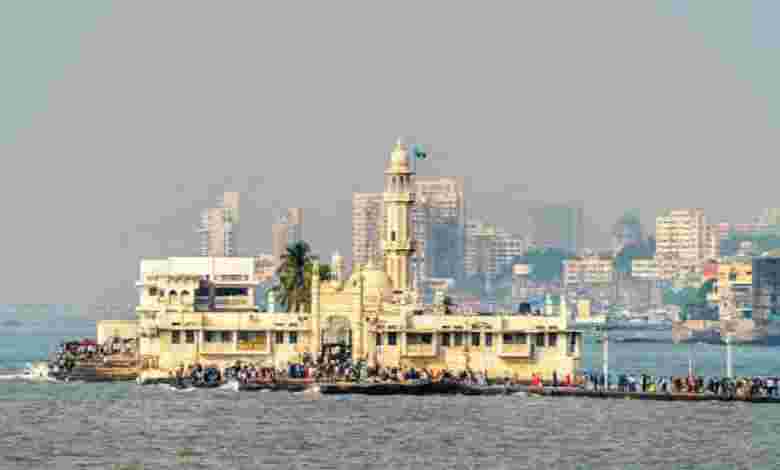
Haji Ali Dargah, situated on Mumbai’s coastline, is a beacon of spirituality and devotion. Its iconic structure and tranquil ambience allow pilgrims and tourists to experience moments of profound serenity.
- Best Time to Visit: Any time of the year.
- Mosque Timings: Opens daily from 6:30 AM to 9:45 PM.
- Entry Fee: Free.
- How to Reach: Located on an islet off the coast of Worli, accessible via the Worli Sea Face Road.
- Nearest Railway Station: Mumbai Central Railway Station.
- Nearby Bus Station: Worli Bus Depot.
- Nearest Airport: Chhatrapati Shivaji Maharaj International Airport.
- Nearby Places: Gateway of India, Marine Drive, Siddhivinayak Temple.
8. Charminar | Hyderabad, Telangana
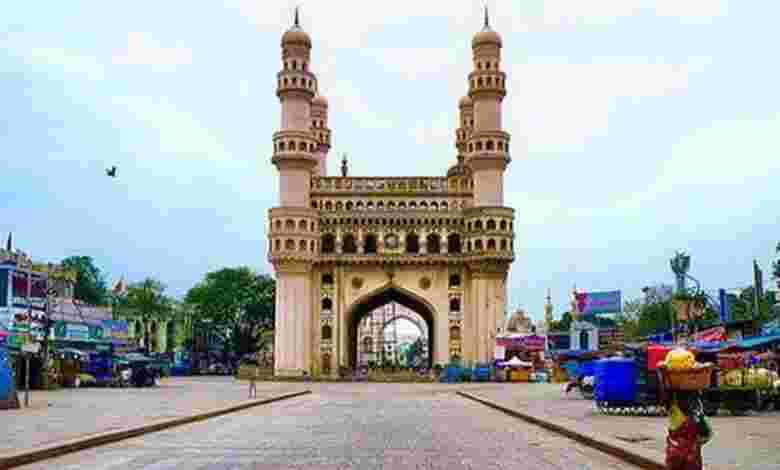
Charminar, an iconic landmark of Hyderabad, stands as a testament to the city’s architectural brilliance and historical significance. Its majestic presence and vibrant surroundings make it a must-visit destination for travellers.
- Best Time to Visit: October to March.
- Mosque Timings: Opens daily from 9:00 AM to 5:30 PM.
- Entry Fee: ₹ 5 for Indians , ₹ 100 for foreigners.
- How to Reach: Situated in the heart of Hyderabad, accessible via MG Road.
- Nearest Railway Station: Hyderabad Deccan Railway Station.
- Nearby Bus Station: Charminar Bus Station.
- Nearest Airport: Rajiv Gandhi International Airport.
- Nearby Places: Mecca Masjid, Chowmahalla Palace, Golconda Fort.
Learn more about:
9. Aasfi Masjid | Lucknow, Uttar Pradesh
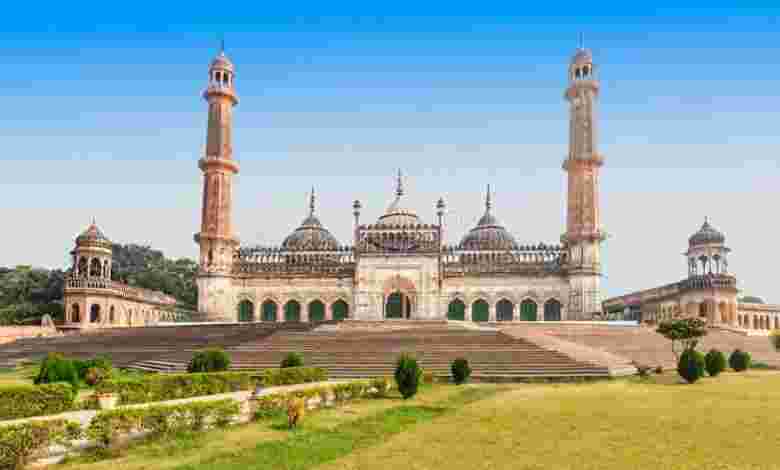
Aasfi Masjid, nestled amidst the bustling streets of Lucknow, is enchanted with its intricate architecture and spiritual ambience. A sanctuary of peace and tranquillity, it beckons visitors to immerse themselves in moments of reflection.
- Best Time to Visit: October to February.
- Mosque Timings: Opens daily for 24 hours.
- Entry Fee: Free.
- How to Reach: Situated in the heart of Lucknow, accessible via Hazratganj Road.
- Nearest Railway Station: Lucknow Charbagh Railway Station.
- Nearby Bus Station: Kaiserbagh Bus Station.
- Nearest Airport: Chaudhary Charan Singh International Airport.
- Nearby Places: Bara Imambara, Rumi Darwaza, British Residency.
10. Moti Masjid | Agra, Uttar Pradesh
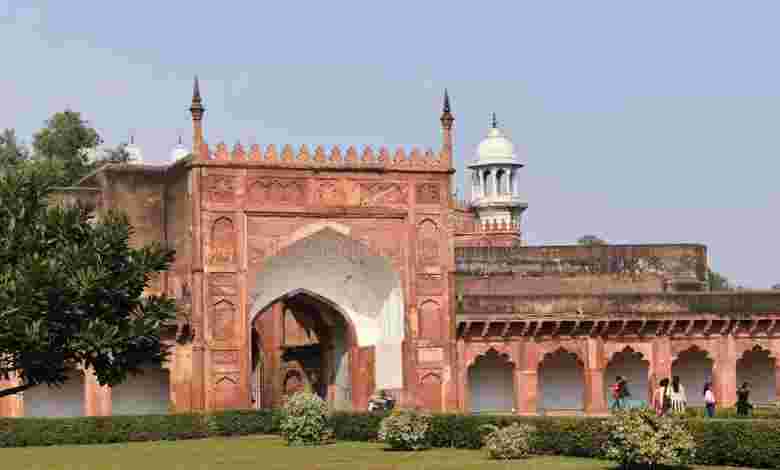
Moti Masjid, nestled within the grandeur of Agra Fort, mesmerises with its elegant design and historical significance. A testament to the city’s Mughal heritage, it offers visitors a glimpse into India’s glorious past.
- Best Time to Visit: October to March.
- Mosque Timings: Opens daily at sunrise.
- Entry Fee: ₹ 40 for Indians, ₹ 550 for foreigners.
- How to Reach: Located within the premises of Agra Fort, accessible via Fort Road.
- Nearest Railway Station: Agra Fort Railway Station.
- Nearby Bus Station: Idgah Bus Stand.
- Nearest Airport: Agra Airport.
- Nearby Places: Taj Mahal, Agra Fort, Fatehpur Sikri.
Also Read:
India’s famous mosques offer a captivating journey through the country’s rich architectural heritage and religious diversity. From the serene ambience of Lucknow’s Teele Wali Masjid to the grandeur of Agra’s Moti Masjid, each mosque tells a story of spiritual devotion and cultural splendour, inviting visitors to explore and immerse themselves in the timeless beauty of Islamic architecture.