Top 10 States with the Most Temples in India (2026 Ranked)
Discover the top 10 states with the most temples in India. Explore temple counts, architectural heritage, and famous pilgrimage shrines across the country.
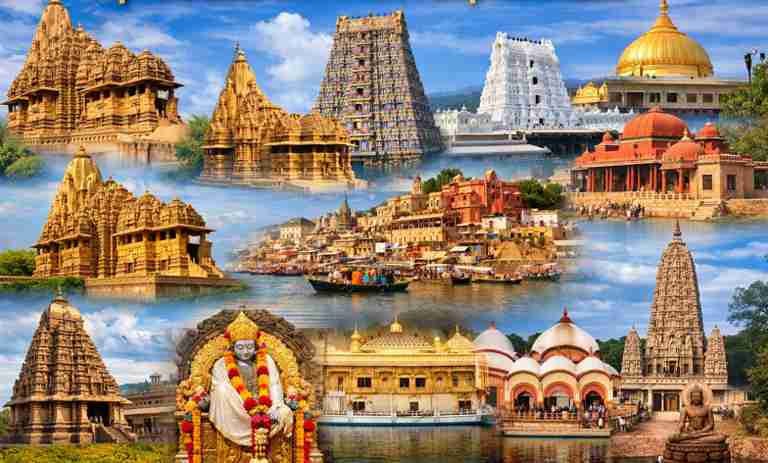
Top 10 States with the Most Temples in India: When it comes to countries with the largest spirituality, India stands as a top spiritual nation with an extraordinary network of temples. Finding temples in India is easier than you think, as all states and union territories have a number of small and large temples built by the public for worship. As per government official survey and data, there are more than 6,48,000 temples throughout the country in Indian houses.
All this makes India one of humanity’s most extensive religious architectural heritages. These sacred structures not only serve as the centre of worship, but also show ancient culture and community. If you have felt astonished by temples and taken an interest not only religiously but also from a wide point of view, then this post is for you. Here, we are uncovering the list of the top 10 states with the most temples in India in 2026.
Data Sources and Methodology for this list: Finding exact numbers about the number of temples in a state is difficult, but there are many other ways to get the approximate numbers. So, to make this list, we are using authoritative sources, including the Hindu Religious and Charitable Endowments Board, the Archaeological Survey of India Records, and official government documents. For states where the numbers are not officially available and seem credible enough based on the quality of the survey, we are using those numbers. The number of temples mentioned in this list is not totally exact, but it is more about representation based on approximate numbers.
Top 10 States with the Most Temples in India
Tamil Nadu holds the distinction of having the most temples in India, with approximately 79,154 recorded sites. It is widely referred to as the “Land of Temples” due to its dense concentration of ancient and significant religious architecture.
1. Tamil Nadu
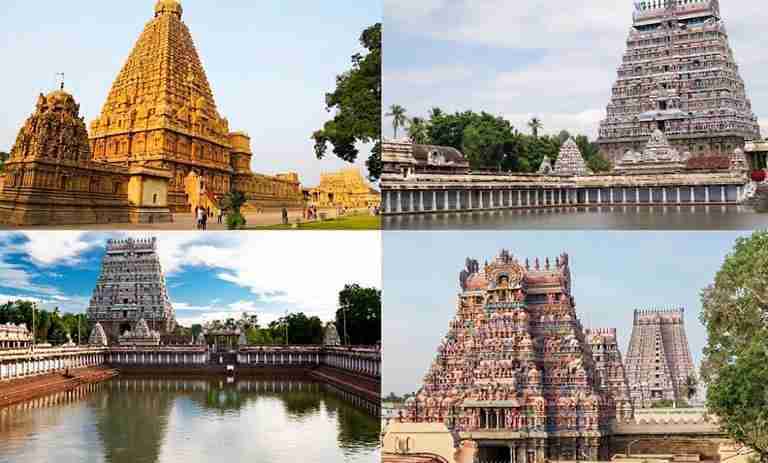
The undisputed and rightfully state to top the list is Tamil Nadu with over 79,154 temples, offering it recognition as the temple capital of India. Tamil Nadu, the land of Temples, has nearly 38,000 ancient temples, many of which are about 800 to 2000 years old. Famous temples like Meenakshi Amman Temple in Madurai, Brihadeeswarar Temple in Thanjavur, and the shore temples of Mamallapuram showcase intricate stone carvings, towering gopurams (temple towers), and sophisticated engineering. About 68% of temples in Tamil Nadu are of Lord Shiva, while other temples serve other deities.
2. Maharashtra
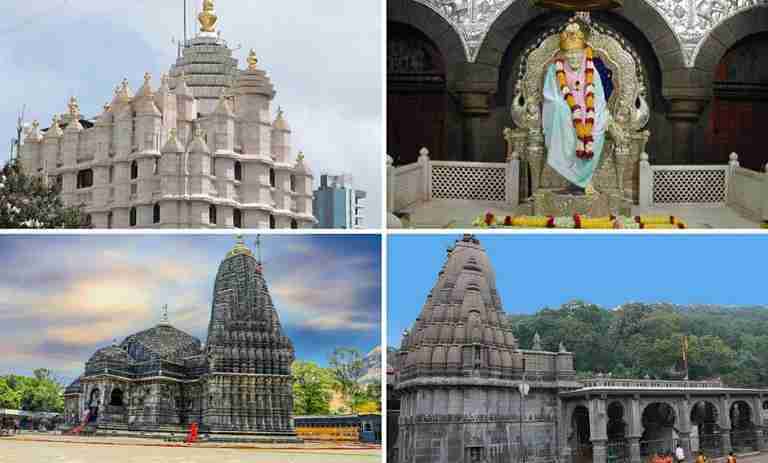
Maharashtra holds the second place in our list with more than 77,000 temples, which represent a significant concentration of religious sites in western India. All this represents a cultural and architectural crossroad of different religions and traditions. There are around 62 temples per one lakh population. The most famous pilgrimage sites in Maharashtra are Shirdi, Pandharpur, and the cave temples of Ajanta and Ellora.
3. Karnataka
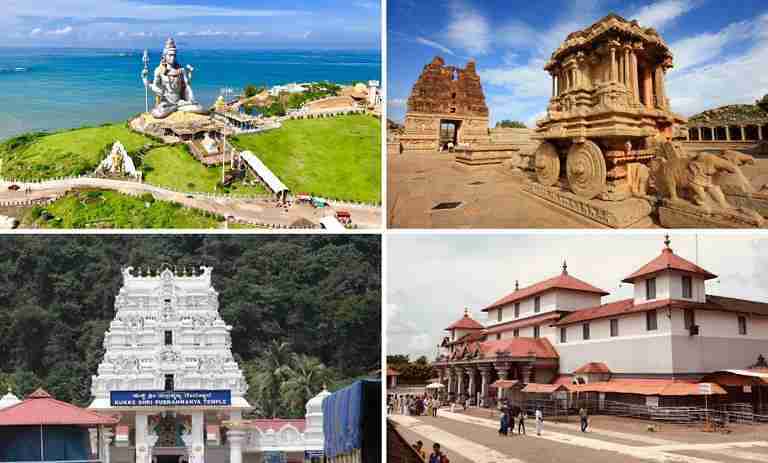
With more than 57,400 temples, Karnataka holds the third position with the most sophisticated architectural achievements. Renowned temples such as the Chennakesava Temple in Belur, Hoysaleswara Temple in Halebidu, and Virupaksha Temple in Hampi display exquisite stone carvings, sculpted pillars, and innovative engineering. Karnataka’s temples remain active centers for classical arts, including Carnatic music and traditional dance.
4. Andhra Pradesh
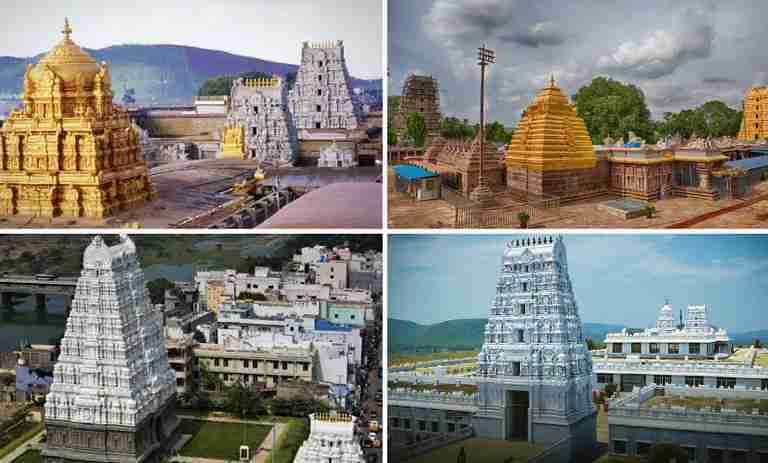
Andhra Pradesh holds significant importance when it comes to India’s temple landscape, with more than 45,300 temples. Andhra Pradesh holds numerous ancient and modern temples, which attract devotees from across the country. The most famous temple in the AP is the Tirumala Venkateswara temple, and it is also the most visited religious site, which symbolizes the state’s importance in the Hindu pilgrim traditions.
5. Uttar Pradesh
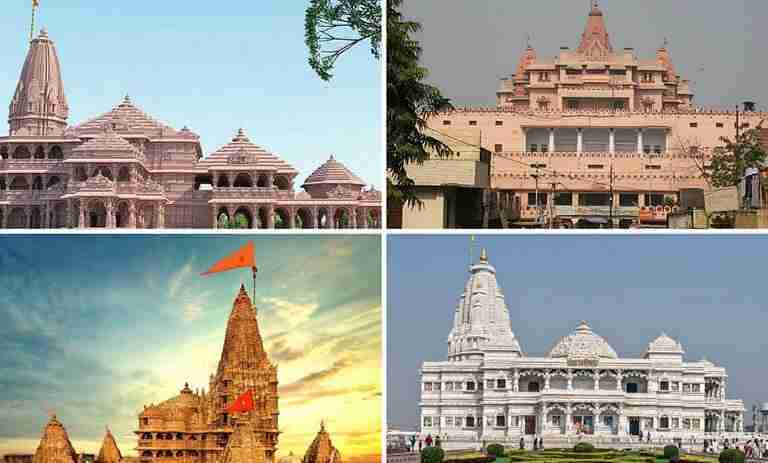
Uttar Pradesh is usually termed as the spiritual heartland, considering 43,000 temples in the state, with many ancient and modern temples in the list. Varanasi is the oldest inhabited city, and this place alone has the highest density of temples for pilgrims and local people. Places like Ayodhya, Mathura, and Vrindavan hold special significance in the Hindu religion, which makes this state important for devotees.
Also Read: Largest Hindu Temples in the World
6. West Bengal
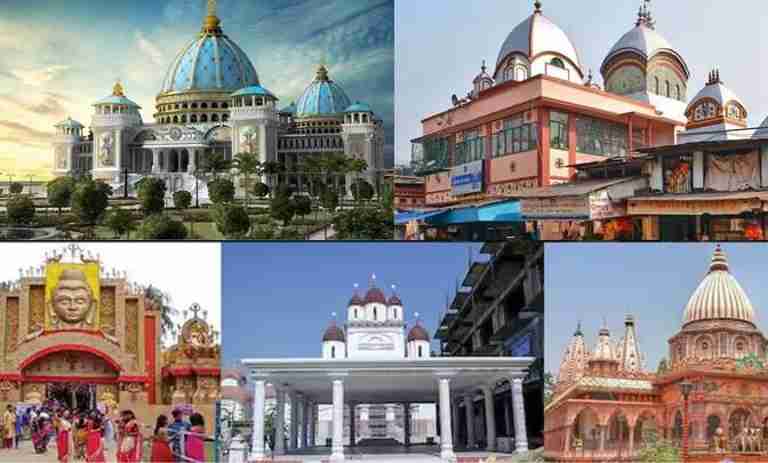
West Bengal ranks sixth with around 42,103 temples that reflect a unique blend of Vaishnavism, Shaktism, and other Hindu traditions. Distinctive Bengali architecture is evident in temples featuring curved roofs and terracotta panels. Prominent sites include the Dakshineswar Kali Temple and Kalighat Temple in Kolkata, which are important centres for the worship of Goddess Kali.
Also Read: Famous Hindu Temples in India
7. Rajasthan
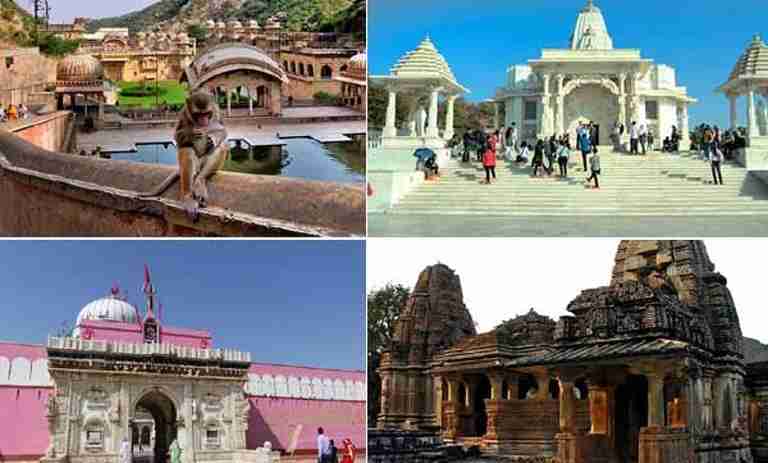
The desert jewels of devotion, Rajasthan, is home to more than 38,700 temples showcasing royal patronage in the desert landscape. These temples serve a mix of Rajput, Maratha, and tribal communities mainly. The most famous temples in Rajasthan include Dilwara Jain Temples, which are situated in Mount Abu, and the Ranakpur Jain Temple. These two are celebrated for the marble carving and grand architecture of the ancient era.
Also Read: Richest Temples in India
8. Gujrat
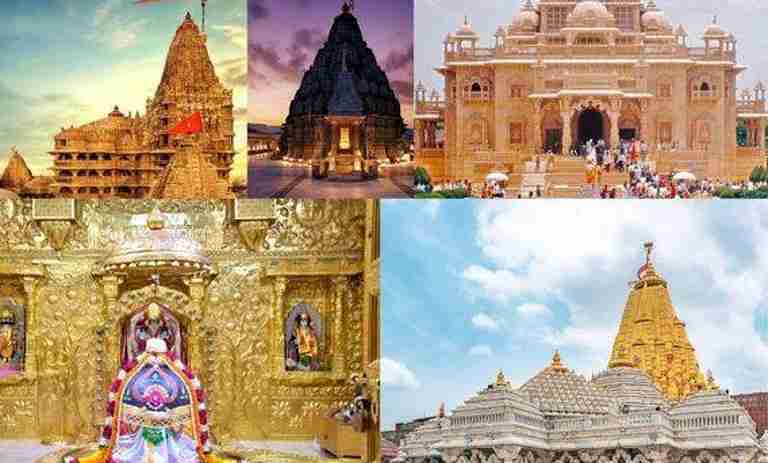
Gujarat has approximately 35,891 temples, each contributing to a vibrant spiritual landscape. The state features a wide range of architectural styles from ancient stone temples to modern marvels like Akshardham in Gandhinagar. Somnath Jyotirlinga and the Drawkadhish Temple hold importance among pilgrims. There are many similar places like this, including Palitana temples, which are called the cultural hub.
9. Odisha
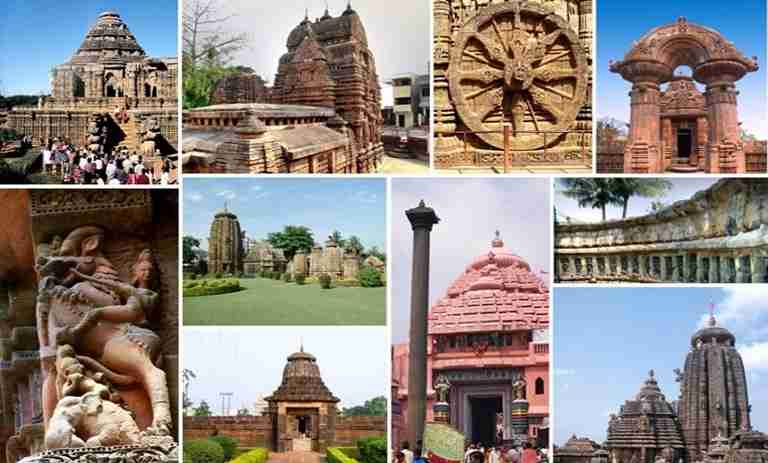
The land of Jagannath, Odisha, holds around 32,450 temples, making it a significant part of India’s temple heritage. The Jagannath temple in Puri is the fourth sacred Dham and has a huge importance among devotees. The architectural styling in Odisha’s temples is usually Kalinga, which characterizes curvilinear towers and elaborate stone carving. There is also a UNESCO World Heritage site in Odisha, and it is the Konark Sun Temple, famous for its iconic tradition and architecture. Rath Yatra in Odisha’s Puri brings lakhs of devotees from around the world.
Also Read: Oldest Temples in India
10. Kerala
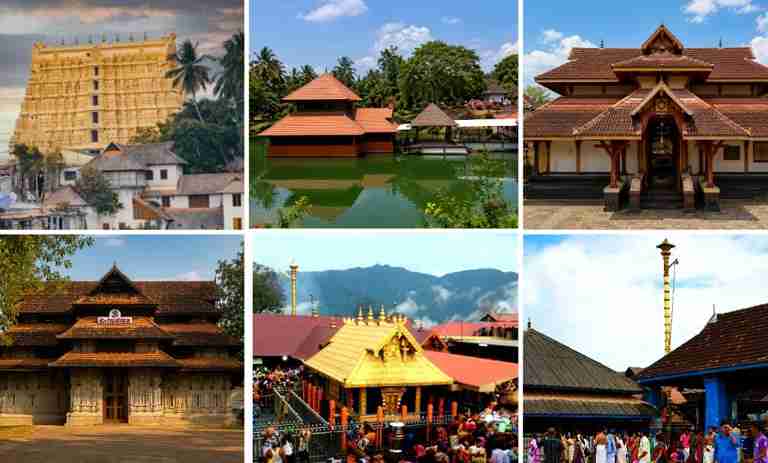
The tenth position in our list goes to Kerala, and it is called God’s own temple land with more than 28,700 temples. These temples harmonize with the lush green landscape of this state. Kerala’s temple architecture often uses wood and copper, creating elegant structures that suit the tropical climate. Famous temples include Guruvayur Temple, Sabarimala, and the Padmanabhaswamy Temple in Thiruvananthapuram. These temples uphold strict rituals and maintain strong links to classical arts such as Kathakali and Mohiniyattam.
Bottom Line
The top ten temple-rich states in India not only offer a place to worship but also represent living history, artistic mastery, and community spirit. From Tamil Nadu’s 79,000 temples to Kerala’s 28000 temples, each state contributes uniquely and represents the nation’s spiritual and cultural heritage. Moreover, these temples mentioned in our list fall short of the small temples that remain uncounted.
Frequently Asked Questions
1. Which state has the most temples in India?
Tamil Nadu has the highest number of temples in India, with an estimated 79,000+ temples and sacred places of worship. More than 38,000 of these are officially documented and administered by the state’s Hindu Religious and Charitable Endowments (HR&CE) department.
2. Which city in India is known as the “City of Temples”?
Bhubaneswar (Odisha) and Varanasi (Uttar Pradesh) are both commonly called the “City of Temples”:
- Bhubaneswar: Historically housed over 1,000 temples built in the classic Kalinga architectural style, with hundreds still standing (including the Lingaraj Temple and Mukteswara Temple).
- Varanasi: Renowned worldwide for thousands of ancient riverside shrines, ghat temples, and the Kashi Vishwanath Jyotirlinga.
3. Why does South India have more intact ancient temples than North India?
Southern dynasties (such as the Cholas, Pallavas, Pandyas, Hoysalas, and Vijayanagara emperors) patronized continuous stone architecture over a millennium. Additionally, the southern peninsula was geographically shielded from many of the waves of medieval foreign invasions that destroyed or altered numerous ancient shrines across northern plains.
4. What are the three primary temple architectural styles in India?
- Nagara Style: Characterized by beehive-shaped, curving spires (shikharas), prevalent across Northern, Western, and Central India (e.g., Khajuraho, Sun Temple Modhera).
- Dravidian Style: Marked by pyramidal entrance towers (gopurams), pillared halls (mandapas), and multi-tiered sanctum roofs (vimanas), dominant in South India.
- Vesara Style: A hybrid blending Nagara and Dravidian elements, pioneered by the Chalukyas and Hoysalas in Karnataka.
5. Which is the richest temple in India?
- By Stored Wealth: The Padmanabhaswamy Temple in Thiruvananthapuram, Kerala, holds gold, jewels, and antique treasures estimated in the billions of dollars across its subterranean vaults.
- By Annual Pilgrim Revenue: The Tirupati Venkateswara Temple in Tirumala, Andhra Pradesh, generates the highest regular annual income through devotee offerings (hundi), prasadam, and trust contributions.
6. Which state has the most ancient rock-cut cave temples in India?
Maharashtra has the largest collection of rock-cut cave architecture in India, spanning over 1,000 individual caves across sites like the Kailasa Temple at Ellora (the world’s largest monolithic rock excavation), Ajanta, Elephanta, and Karla.
Also Read:
1. Oldest Buddhist Temples in the World
3. Oldest Mosques in the World