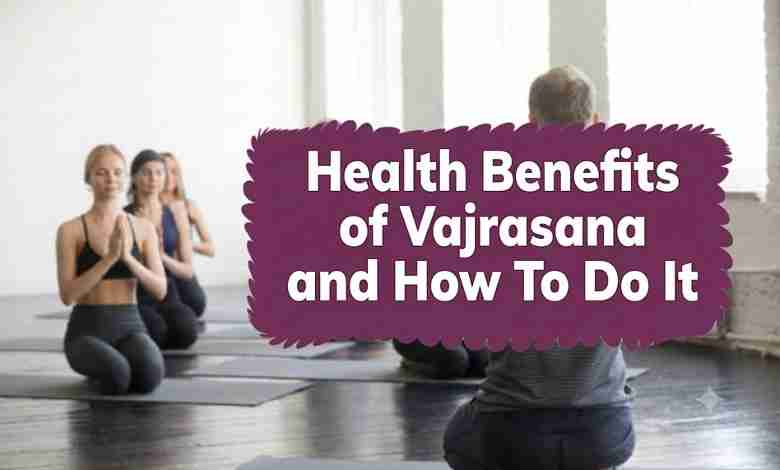
Health Benefits of Vajrasana: Practicing Vajrasana, also known as the thunderbolt or diamond pose, offers numerous physical and mental health advantages. This simple yet effective seated posture enhances digestion by improving blood circulation to the stomach and intestines, helping alleviate bloating and constipation. It also strengthens the pelvic muscles and promotes better posture, reducing back pain and spinal issues. Additionally, Vajrasana encourages mindfulness and relaxation, making it an excellent choice for stress relief and mental clarity. Incorporating this pose into daily routines can support overall well-being, balance energy flow, and aid in respiratory function through deep, controlled breathing.
Meaning and Origins of Vajrasana
The term vajrasana comes from two Sanskrit words – vajra and asana. Vajra literally translates into a thunderbolt, referring to the mythical weapon that Indra, Lord of the Heavens, uses in Hindu mythology. This is also symbolic of strength and indestructibility. The second word asana means posture and is a common suffix in most yogic terms when referring to yogic postures.
Pro tip: Vajrasana is a derivative of the vajra (thunderbolt) and asana (posture), which highlights strength.
How To Do Vajrasana
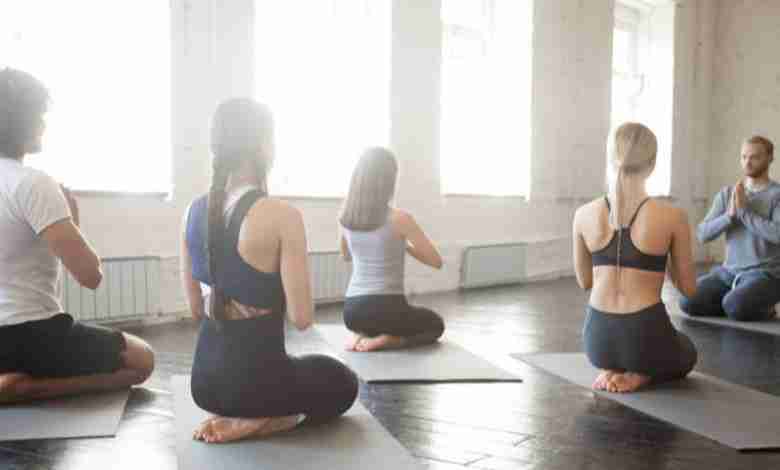
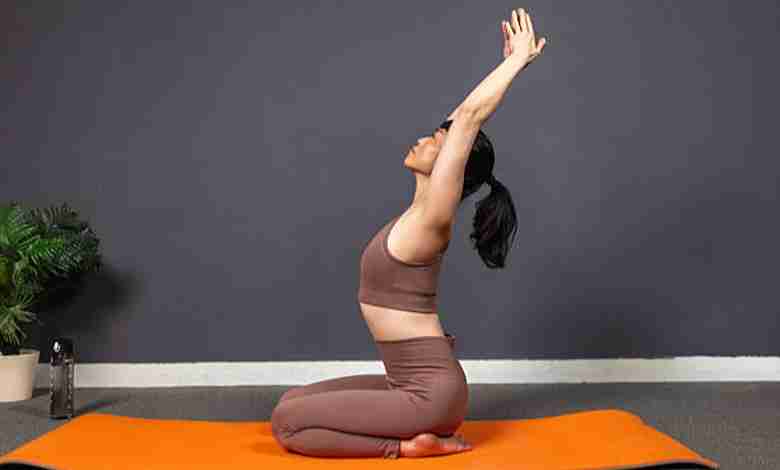
Just as with every other asana, getting in and out of vajrasana is important, and it is also important to maintain the posture properly while you’re in it. If you’re not comfortable doing it on the floor, use a yoga mat or any regular mat will also do. Kneel down, and then make sure your knees and ankles are both together. Your feet should also be touching one another, with both the big toes together. Then gently, sit down on your legs, with your glutes resting on your heels.
If you’re not comfortable, adjust yourself a little, without losing the essence of the position. Keep your hands on your thighs – palms downwards – and take a few deep breaths, inhaling deeply for four counts, and exhaling slowly to eight. Your head stays straight, and you’re gazing at a point at eye level.
If you’re a beginner, stay in vajrasana for not more than 2-3 minutes, and work your way towards longer time slabs with every progressive session. To come out of vajrasana, slowly raise your glutes and thighs of your lower legs, until you’re back into a kneeling position.
Pro Tip: It is important to methodically get into and out of vajrasana, while improving the posture properly.
10 Health Benefits of Vajrasana
Here are the 10 Health Benefits of Vajrasana:
1. Improves Digestion
Vajrasana is known to enhance digestion by promoting better blood circulation to the stomach and intestines. Sitting in this posture after meals helps activate the digestive system, reducing acidity and preventing constipation. The position encourages the secretion of digestive enzymes, which aids in breaking down food more efficiently. This can lead to improved nutrient absorption and relief from common digestive issues such as bloating and gas. Regular practice of Vajrasana can also help alleviate symptoms of irritable bowel syndrome and other gastrointestinal disorders by calming the digestive tract.
2. Strengthens Pelvic Muscles
Practicing Vajrasana regularly helps in strengthening the pelvic muscles, which is beneficial for both men and women. Strong pelvic muscles support the bladder, uterus, and intestines, reducing the risk of incontinence and pelvic organ prolapse. This pose also improves blood flow to the pelvic region, enhancing reproductive health and potentially easing menstrual discomfort. For women, Vajrasana can be particularly helpful during pregnancy and postpartum recovery by maintaining muscle tone and flexibility. Strengthened pelvic muscles contribute to better posture and overall core stability.
Also Read: Health Benefits of Green Tea
3. Reduces Lower Back Pain
Vajrasana encourages proper spinal alignment and reduces strain on the lower back by promoting an upright sitting posture. This position helps relieve pressure on the lumbar region, which often causes discomfort and pain. The pose stretches the muscles around the lower back and hips, increasing flexibility and reducing stiffness. Practicing Vajrasana regularly can alleviate chronic lower back pain and prevent future injuries by strengthening supportive muscles. Additionally, the posture helps in calming the nervous system, which can further reduce pain perception and muscle tension.
4. Enhances Blood Circulation
Sitting in Vajrasana improves blood circulation, especially in the lower body, by preventing compression of blood vessels. This posture facilitates the smooth flow of blood to the legs and feet, reducing the risk of varicose veins and swelling. Enhanced circulation also promotes oxygen and nutrient delivery to tissues, accelerating healing and reducing fatigue. Vajrasanas grounding effect stimulates the parasympathetic nervous system, which supports cardiovascular health and helps maintain balanced blood pressure. Improved circulation contributes to overall vitality and energy levels throughout the day.
5. Promotes Mental Calmness
Vajrasana is a meditative posture that encourages mental calmness and focus. By sitting steadily and comfortably, practitioners can reduce stress and anxiety levels. The pose helps balance the minds energy, promoting relaxation and enhancing concentration during meditation or breathing exercises. Regular practice of Vajrasana can lower cortisol levels, which are associated with stress, and improve mood stability. This calming effect supports better sleep patterns and emotional resilience, making it an excellent practice for mental well-being and mindfulness.
6. Improves Posture
Maintaining Vajrasana requires an erect spine and balanced body alignment, which helps develop awareness of proper posture. Regular practice strengthens the back muscles and encourages a natural curve in the spine, preventing slouching and related discomfort. Improved posture reduces the risk of developing musculoskeletal issues such as neck pain and rounded shoulders. Additionally, Vajrasana trains the body to maintain stability and balance while sitting, which can translate into better posture during daily activities, enhancing overall body mechanics and reducing fatigue.
7. Supports Weight Loss
Vajrasana assists in weight management by improving digestion and metabolism. Sitting in this posture after meals helps regulate appetite and reduces overeating by promoting a sense of fullness. The enhanced digestive function accelerates the breakdown of fats and carbohydrates, facilitating better energy utilization. Moreover, Vajrasana stimulates the abdominal organs and helps in detoxification processes, which can aid in reducing body fat. While it is not a substitute for physical exercise, Vajrasana complements a healthy lifestyle by supporting metabolic efficiency and balanced body weight.
8. Relieves Menstrual Discomfort
For women, Vajrasana can be particularly beneficial in alleviating menstrual cramps and discomfort. The posture improves blood flow to the pelvic area, which helps reduce muscle tension and pain associated with menstruation. It also calms the nervous system, lowering stress hormones that can exacerbate menstrual symptoms. Practicing Vajrasana regularly during the menstrual cycle can promote relaxation and ease bloating, making the experience more comfortable. This gentle pose supports hormonal balance and can be integrated into self-care routines for menstrual health.
9. Enhances Respiratory Function
Vajrasana encourages deep and steady breathing by opening the chest and aligning the spine correctly. This posture facilitates better lung expansion and improves oxygen intake, which benefits overall respiratory function. Enhanced breathing capacity increases oxygen supply to the brain and body, boosting energy and mental alertness. Vajrasana can be particularly helpful for individuals with mild respiratory issues, as it promotes relaxation of the respiratory muscles and reduces shortness of breath. Regular practice supports a calm and controlled breathing pattern, which is essential for stress management and physical endurance.
10. Promotes Joint Health
Sitting in Vajrasana helps maintain the flexibility and strength of the knees, ankles, and hips. The posture gently stretches these joints, improving their range of motion and reducing stiffness. This can prevent joint-related problems such as arthritis and improve overall mobility. Vajrasana also encourages proper alignment of the lower limbs, which supports balanced weight distribution and reduces wear and tear on the joints. Regular practice promotes lubrication of the joint capsules, enhancing comfort and preventing injuries during physical activities.
Importance of Vajrasana
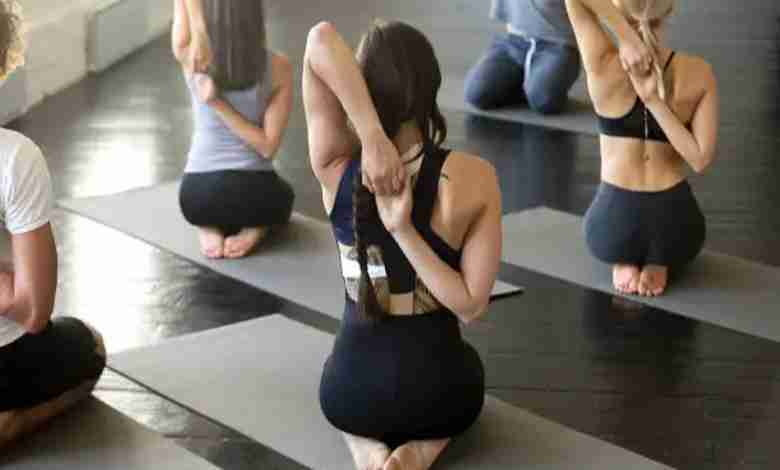
- Improves Digestion: Vajrasana enhances digestive processes by promoting better blood flow to the stomach.
- Strengthens Posture: Sitting in Vajrasana helps align the spine and supports proper posture.
- Reduces Lower Back Pain: This pose alleviates stress on the lumbar region, easing discomfort and pain.
- Calms the Mind: Vajrasana induces mental calmness, reducing anxiety and promoting relaxation.
- Enhances Blood Circulation: The pose improves circulation in the legs and pelvic region, preventing numbness.
- Boosts Concentration: Practicing Vajrasana supports focus and mental clarity during meditation or study.
- Supports Weight Loss: Regular Vajrasana practice can aid metabolism, assisting in healthy weight management.
- Relieves Menstrual Discomfort: It helps ease cramps and discomfort associated with menstruation.
- Prepares for Meditation: Vajrasana is an ideal seated posture for extended meditation sessions.
- Improves Flexibility: The pose gently stretches the ankles, knees, and thighs, enhancing joint flexibility.
Key Facts About Vajrasana
| Key Fact | Details |
|---|---|
| Name | Vajrasana (Thunderbolt Pose) |
| Type | Seated Yoga Pose |
| Primary Benefits | Improves digestion, strengthens pelvic muscles, enhances posture |
| How to Perform | Kneel on the floor, sit back on heels with spine straight |
| Duration | Start with 1-5 minutes, gradually increase |
| Precautions | Avoid if knee or ankle injuries exist |
| Suitable For | Beginners and advanced practitioners |
Side Effects of Vajrasana
- Knee Pain: Prolonged sitting in Vajrasana can cause discomfort or pain in the knees for some individuals.
- Foot Numbness: Sitting on the heels may lead to tingling or numbness in the feet due to restricted blood flow.
- Joint Stiffness: Extended practice without proper warm-up may result in stiffness in ankle and knee joints.
- Circulation Issues: Compression of blood vessels in the legs might cause temporary circulation problems or swelling.
- Lower Back Discomfort: Incorrect posture during Vajrasana can strain the lower back muscles and cause pain.
- Muscle Fatigue: Beginners might experience muscle tiredness in the legs and thighs after holding the pose too long.
- Varicose Vein Aggravation: Those with varicose veins may find symptoms worsen due to pressure on leg veins.
- Joint Inflammation: Overdoing Vajrasana may lead to inflammation in knee or ankle joints, especially with pre-existing conditions.
- Balance Issues: Some practitioners might feel unstable or experience mild dizziness when transitioning into or out of the pose.
- Restricted Movement: Holding Vajrasana for extended periods can temporarily limit leg mobility and flexibility afterward.
Conclusion
Incorporating Vajrasana into daily routines offers profound health advantages, from enhancing digestion to promoting mental clarity. This simple yet powerful posture stimulates abdominal organs, aiding in nutrient absorption and alleviating common digestive issues such as bloating and constipation. Additionally, Vajrasana encourages proper spinal alignment, which can reduce back pain and improve posture over time. Beyond physical benefits, the meditative aspect of Vajrasana fosters mindfulness and stress reduction, contributing to overall emotional well-being. Its accessibility makes it suitable for individuals of all ages, allowing anyone to experience improved bodily functions and a calmer mind. Embracing Vajrasana consistently can lead to a healthier, more balanced lifestyle, underscoring its value as a holistic practice for both body and mind.
FAQs on Health Benefits of Vajrasana
What is Vajrasana and how is it performed?
Vajrasana, or the Thunderbolt Pose, is a kneeling yoga posture where you sit back on your heels with your spine straight. It is simple to perform and often used for meditation and pranayama practices.
How does Vajrasana improve digestion?
Sitting in Vajrasana after meals helps stimulate digestive enzymes and increases blood flow to the stomach, promoting better digestion and reducing issues like acidity, constipation, and bloating.
Can Vajrasana help with back pain relief?
Yes, Vajrasana strengthens the lower back muscles and improves posture, which can alleviate minor back pain and reduce strain on the spine when practiced regularly.
Does Vajrasana benefit mental health?
Practicing Vajrasana encourages calmness and focus by promoting deep breathing and meditation, which helps reduce stress, anxiety, and enhances overall mental clarity.
Is Vajrasana good for improving blood circulation?
Vajrasana improves blood circulation in the lower abdomen and pelvic region, supporting reproductive health and reducing swelling in the legs by facilitating better venous return.
Disclaimer: This content offers general information about the Health Benefits of Vajrasana and is meant for educational purposes only. It does not replace professional medical consultation, diagnosis, or treatment. The information provided should not be used as a substitute for personalized medical advice. For any serious health concerns or conditions, please seek guidance from a qualified healthcare professional.